

Pulpí
A farming town in north-east Almería, home to the giant Pulpí Geode and the quiet beaches of San Juan de los Terreros.
Why visit Pulpí
Pulpí sits close to the border with Murcia, surrounded by farmland and the dry hills of the Sierra del Aguilón. It became famous in 1999 when mineral collectors found a huge geode lined with transparent gypsum crystals inside an old silver and lead mine, and since the geode opened to visitors it has drawn people from across Spain. On the coast below, San Juan de los Terreros has a string of small, uncrowded beaches and coves. Pulpí suits families, curious travellers and anyone looking for a quiet beach base away from the big resorts.
What to see and do in Pulpí
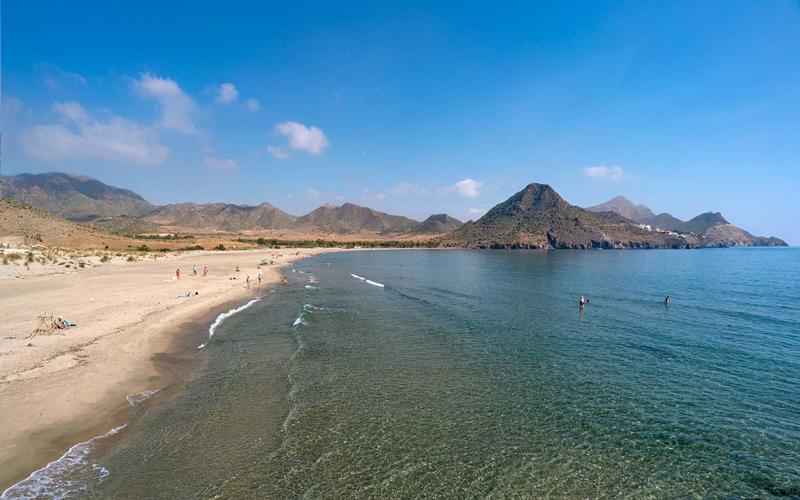
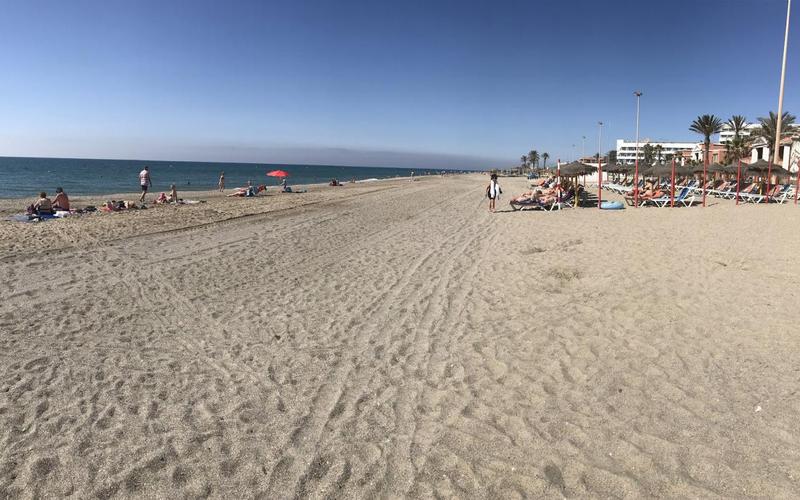
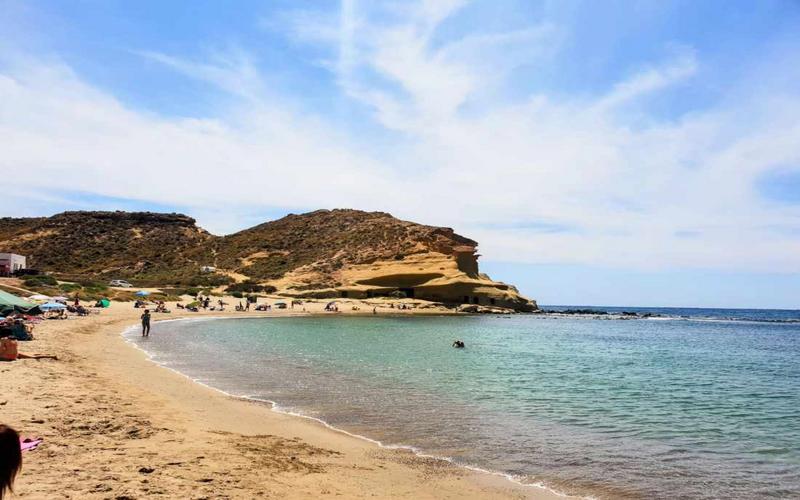
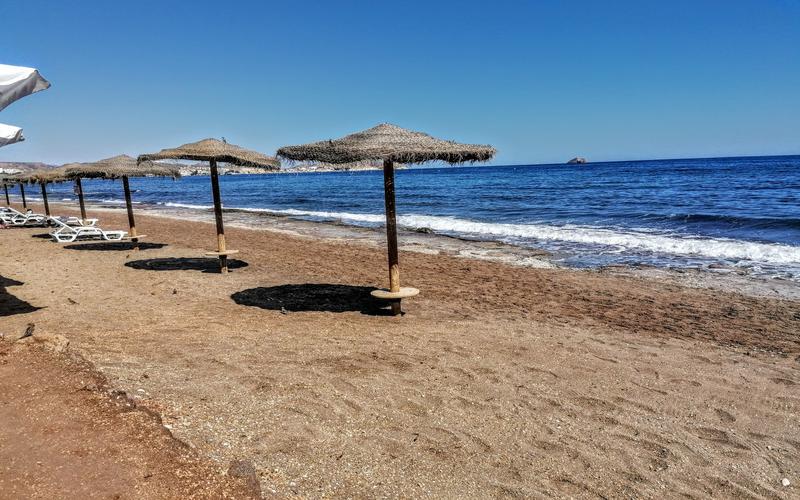
Guided visits to the Pulpí Geode take you through the galleries of the Mina Rica to see the crystal cavity, which is large enough to hold several people and among the biggest known in the world; book well ahead, as group numbers are small. On the coast, the beaches of San Juan de los Terreros include Playa de Calipso, Mar Rabiosa, Las Palmeras, La Entrevista and La Serena, several of them in small coves good for snorkelling, with an eighteenth-century coastal castle on the headland. Golfers have Aguilón Golf, and OleoAlmanzora shows how olive oil is made in the area. Mojácar and Vera, with their beaches and white towns, are a short drive south.
A day in Pulpí
Book an early visit to the Pulpí Geode, then drive down to San Juan de los Terreros for the rest of the day. Swim and snorkel at Playa de Calipso or Las Palmeras, have a seafood lunch by the sea, and walk up to the coastal castle for views along the coast in the late afternoon.
Food and local life
Farm produce is the pride of Pulpí, especially vegetables and fruit grown on the surrounding plain, and fish is fresh on the coast. Try local migas, gurullos and fried fish in the beach bars of San Juan de los Terreros.
Around Pulpí
Pulpí is in the Levante Almeriense comarca, a coast of beaches and white towns. Mojácar, with its hilltop village and long beach, Vera and Garrucha are short drives south, and Cuevas del Almanzora has a castle and cave dwellings. Murcia's coast and Águilas are just across the border to the north.
See every town and village on the Levante Almeriense page.
Getting there and around
Pulpí is in the Levante Almeriense comarca, about 1 hour 30 minutes by car from Almería airport and 1 hour from Murcia's airport. A car is essential. The geode can be visited year round, but book tickets in advance; the beaches are busiest in July and August.
Pulpí in pictures

Places to visit in Pulpí
 Pulpí GeodeThe Pulpí Geode is a giant cavity lined with transparent gypsum crystals up to 2 metres long, 50 metres underground in the…Discover →
 Playa Las PalmerasPlaya Las Palmeras, also called La Carolina, is an isolated 1 km beach of sand and gravel north of San Juan de…Discover →
 Playa La SerenaPlaya La Serena, listed officially as Mar Serena, is the main family beach of San Juan de los Terreros in Pulpí: about…Discover →
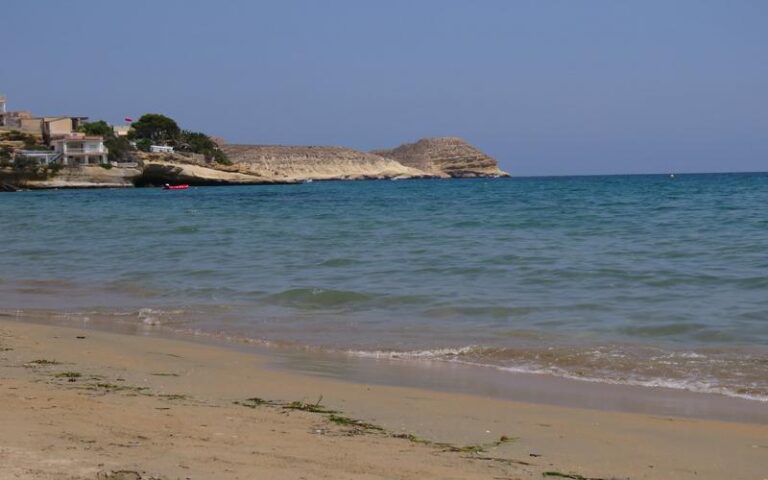 Playa Mar RabiosaPlaya Mar Rabiosa is the busiest town beach of San Juan de los Terreros in Pulpí, about 250 metres of golden sand…Discover →
 Playa de Calipso (San Juan de los Terreros)Playa de Calipso is the short village beach of San Juan de los Terreros in Pulpí, below a coastal fort completed in…Discover →
 Playa La EntrevistaPlaya La Entrevista is a little-developed beach of dark sand and gravel on the Pulpí coast in far north-eastern Almería, about 1…Discover →
 Aguilón GolfAguilón Golf is an 18-hole, par-70 course at Pilar de Jaravía in Pulpí, opened in 2008 at the foot of the Sierra…Discover →
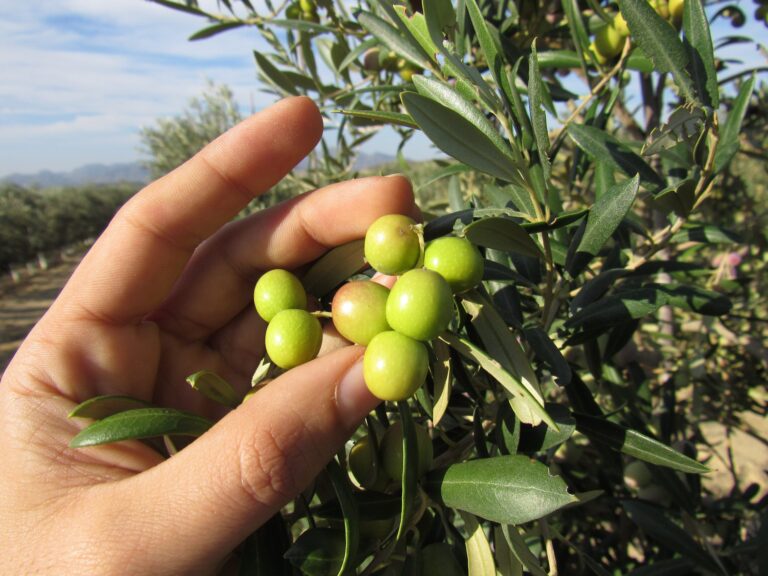 OleoAlmanzoraFamily olive oil producer in Pulpí with four estates of Arbequina and Koroneiki trees, running daily grove and tasting visits since 2017,…Discover →