
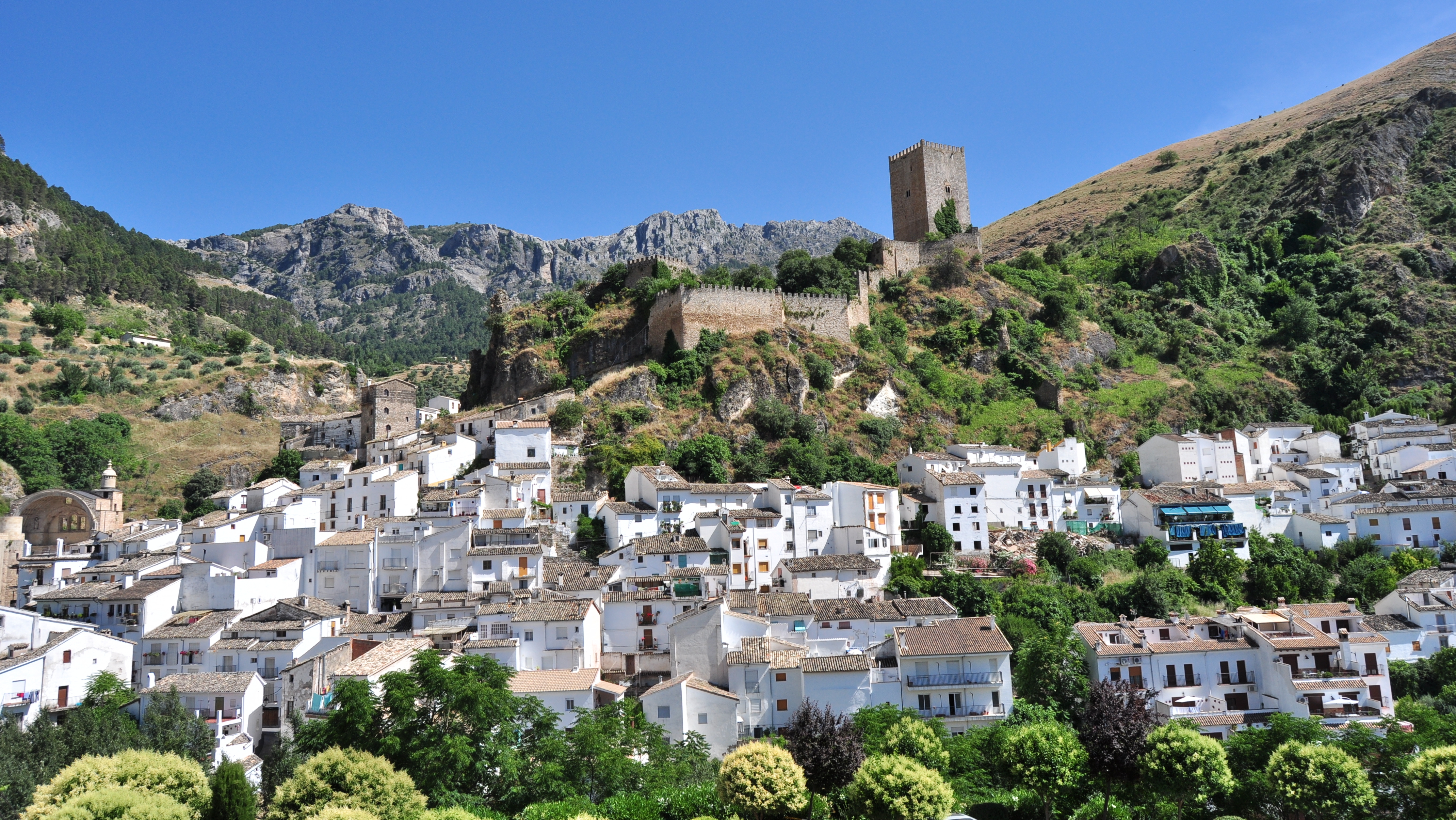
Cazorla
A white mountain town below the Castillo de la Yedra and the gateway to the Sierras de Cazorla, Segura y Las Villas Natural Park.
Why visit Cazorla
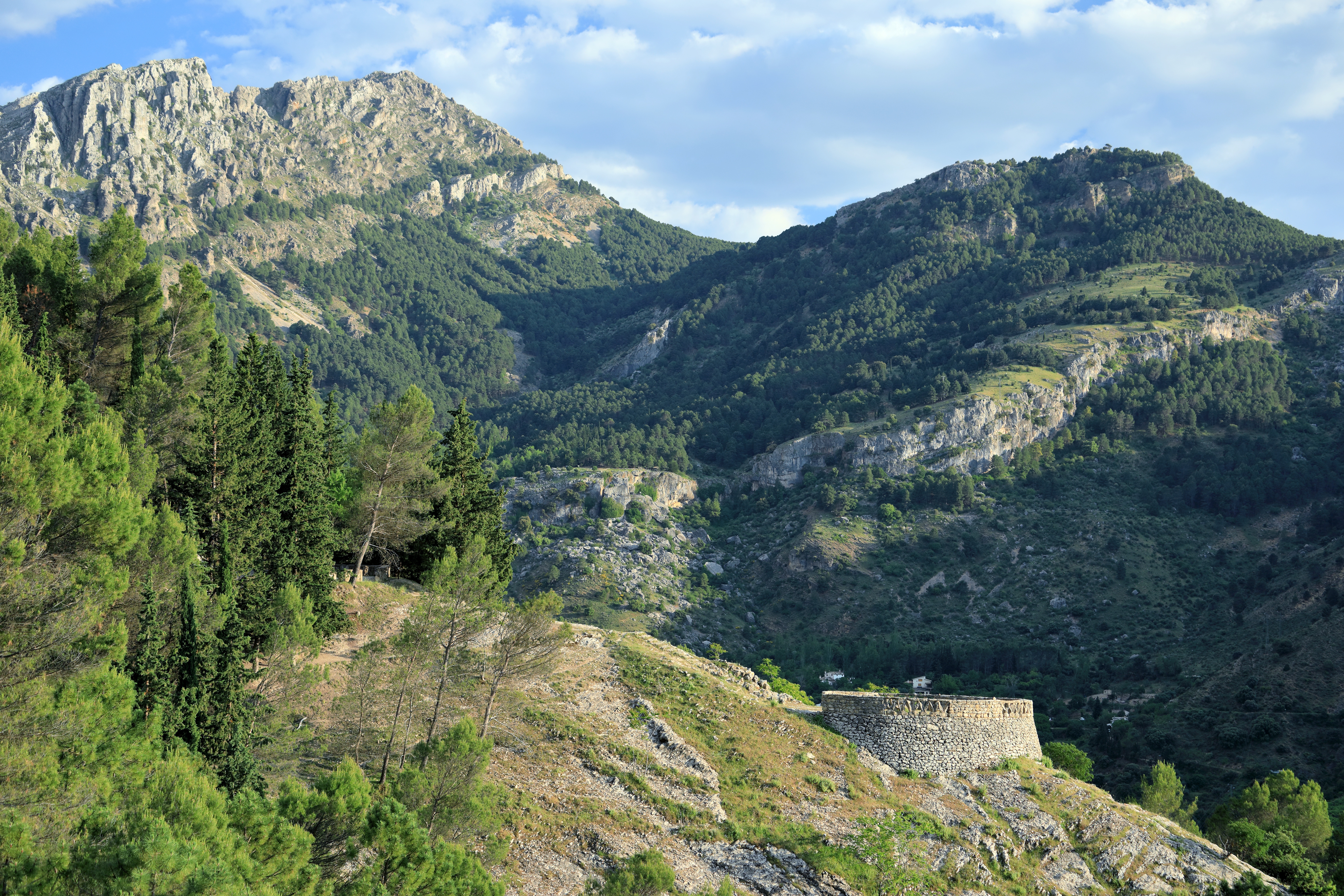
Cazorla climbs the foot of a limestone wall at the western edge of the Sierras de Cazorla, Segura y Las Villas, the largest protected area in Spain, where the Guadalquivir is born. The town has a lively square, steep lanes and two castles, and it is the natural base for exploring forests of black pine, deep river gorges and high viewpoints full of vultures, ibex and deer. It suits walkers, families, wildlife watchers and anyone wanting mountain air within reach of the Renaissance towns of Úbeda and Baeza.
What to see and do in Cazorla
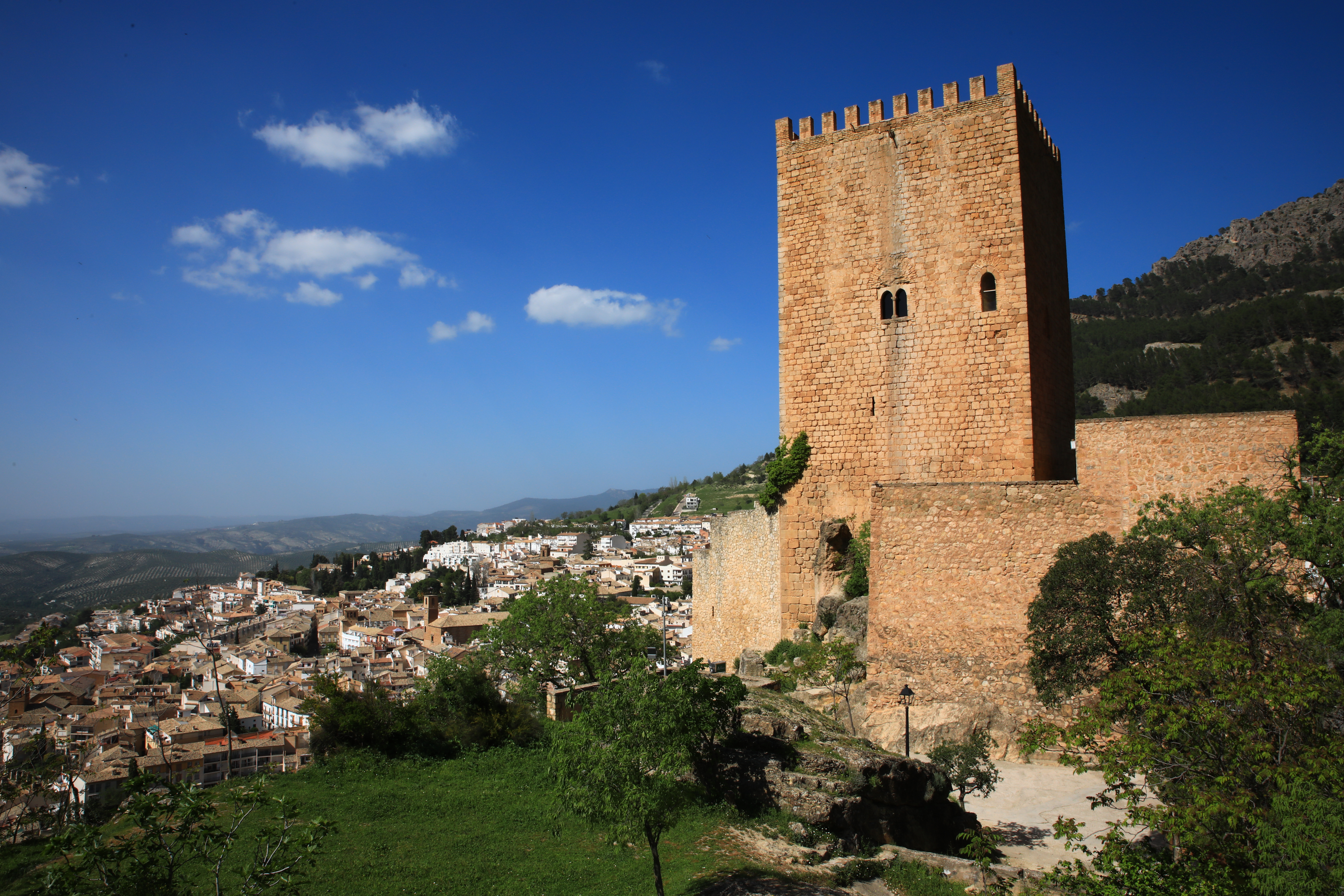
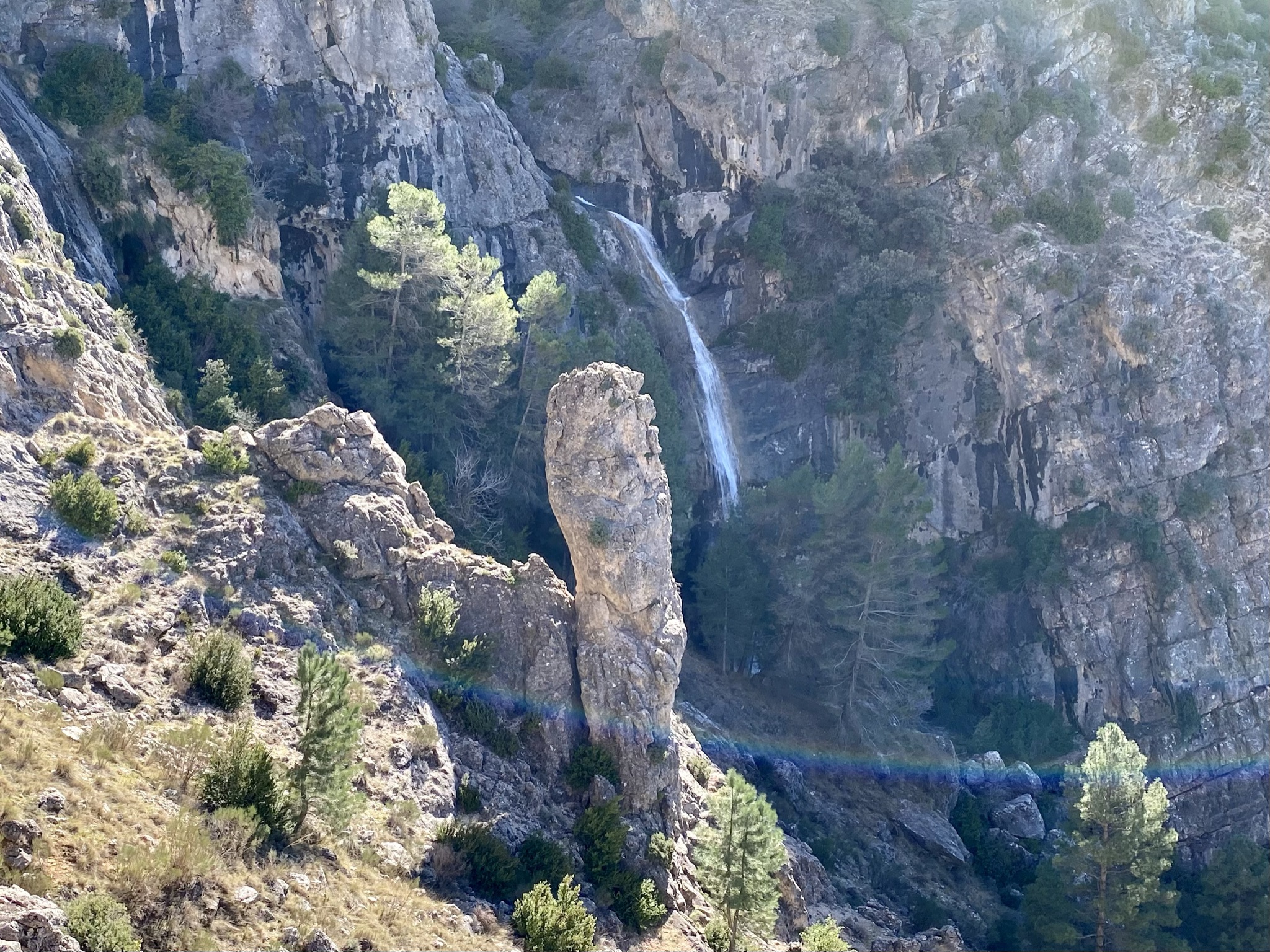
Above the town, the Castillo de la Yedra houses a museum of popular arts and traditions and looks down on the open-air ruins of the church of Santa María, built over the river Cerezuelo, which flows through a vaulted tunnel beneath the square. Short walks leave from the centre, while the natural park offers classic routes such as the Cerrada del Utrero, a narrow gorge with a waterfall, and the Río Borosa trail, which threads walkways and tunnels to mountain lakes. Experienced walkers can tackle the circular route up Pico Gilillo, and the Vía Ferrata de la Escaleruela offers a guided climb on the cliffs above town. Olive oil estates such as Oleotour Cazorla explain the region's main crop. Deeper in the park, villages such as La Iruela, with its castle on a rock, and Segura de la Sierra reward a day's drive.
A day in Cazorla
Start with coffee in the Plaza de la Corredera, then walk up to the Castillo de la Yedra and down to the ruins of Santa María. Drive into the natural park for the Cerrada del Utrero walk, with a picnic by the river. In the late afternoon, visit an olive oil mill for a tasting, and end the day with game or rin-rán in a local restaurant.
Food and local life
Mountain cooking here means rin-rán, a cold salad of salt cod, potatoes and peppers, game stews, migas and gachamiga, a thick dish of flour fried with garlic and oil. Local cheeses and honey make good souvenirs, along with the area's protected Sierra de Cazorla olive oil.
Around Cazorla
Cazorla gives its name to the Sierra de Cazorla comarca, which shares the vast Sierras de Cazorla, Segura y Las Villas Natural Park with its neighbours. La Iruela's castle, the river and forest roads towards Coto Ríos and the Tranco reservoir, and the village of Segura de la Sierra all make rewarding drives. Úbeda and Baeza are about an hour away.
See every town and village on the Sierra de Cazorla page.
Getting there and around
Cazorla is in the Sierra de Cazorla comarca, about 1 hour from Úbeda and 1 hour 45 minutes from Jaén. Buses run from Jaén and Úbeda, but a car is needed to explore the natural park, whose roads are narrow and winding. Spring and autumn are ideal for walking; some routes, such as the Río Borosa, get busy on holidays. Book via ferrata outings with a licensed guide.
Cazorla in pictures


Places to visit in Cazorla
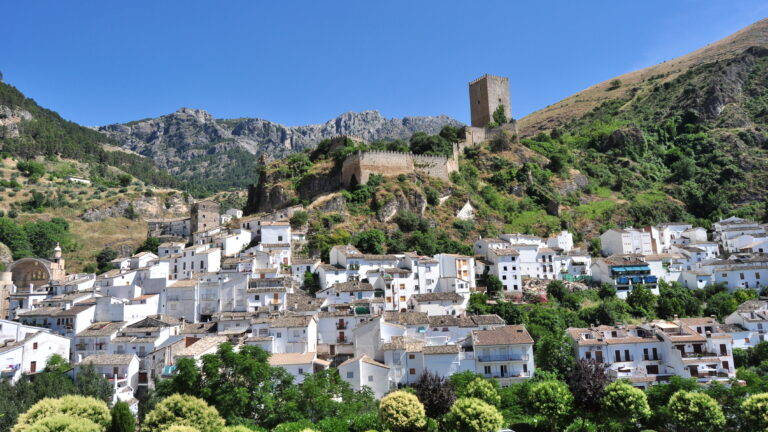 CazorlaCazorla is a white town of about 7,000 people at 826 metres beneath the Peña de los Halcones, gateway to the Sierras…Discover →
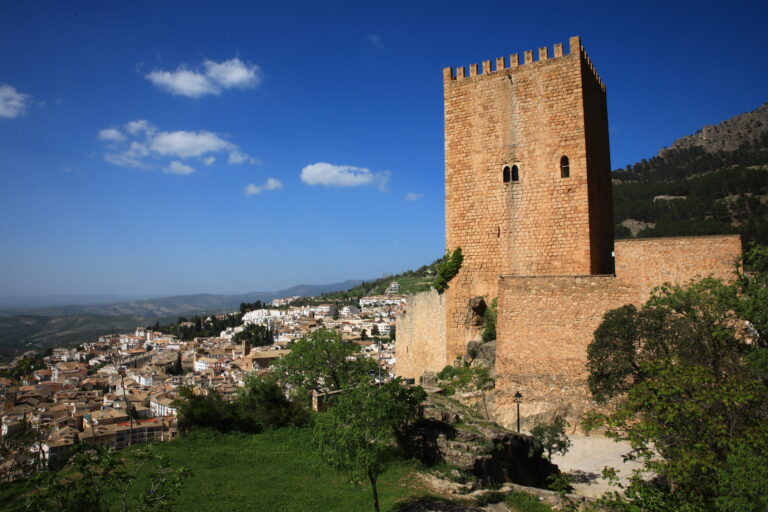 Castillo de la YedraThe Castillo de la Yedra, or castle of the Cuatro Esquinas, guards Cazorla below the Peña de los Halcones: a Moorish fortress…Discover →
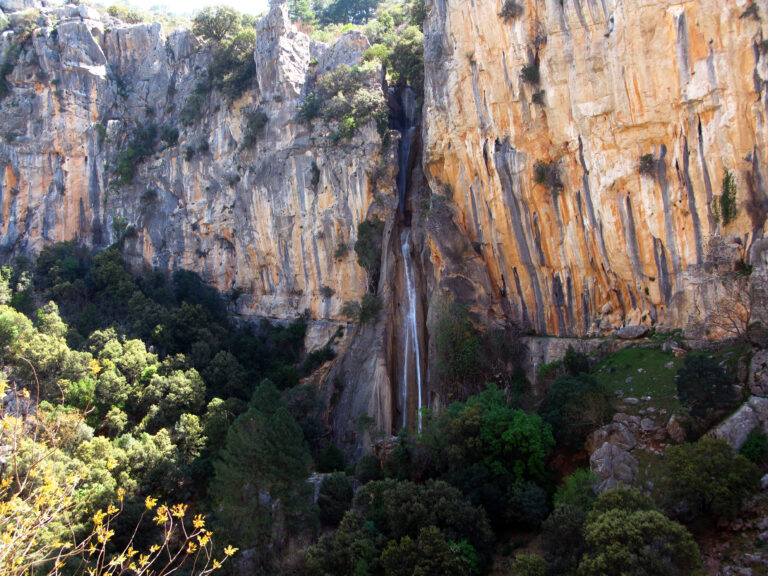 Cerrada del UtreroThe Cerrada del Utrero is a limestone gorge cut by the young Guadalquivir near Vadillo Castril, Cazorla, where a 1.7 km loop…Discover →
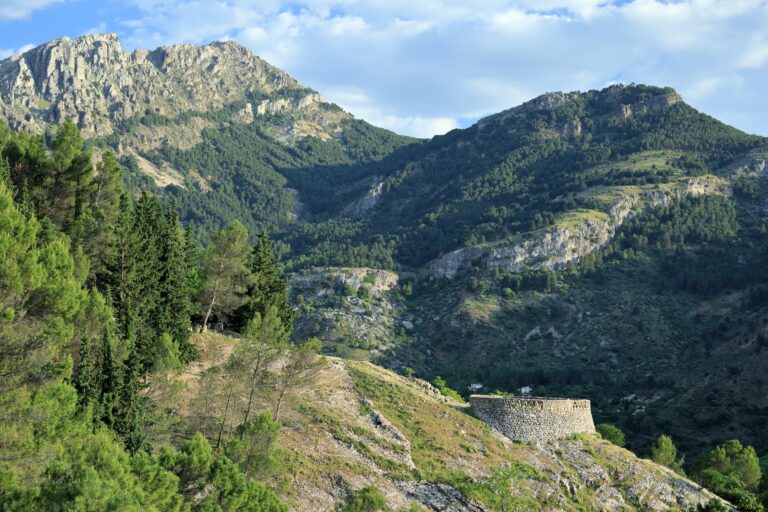 Pico Gilillo Circular from CazorlaOfficial waymarked loop from Cazorla's Plaza de Santa María to Pico Gilillo (1,848 m), the highest point of the Sierra de Cazorla,…Discover →
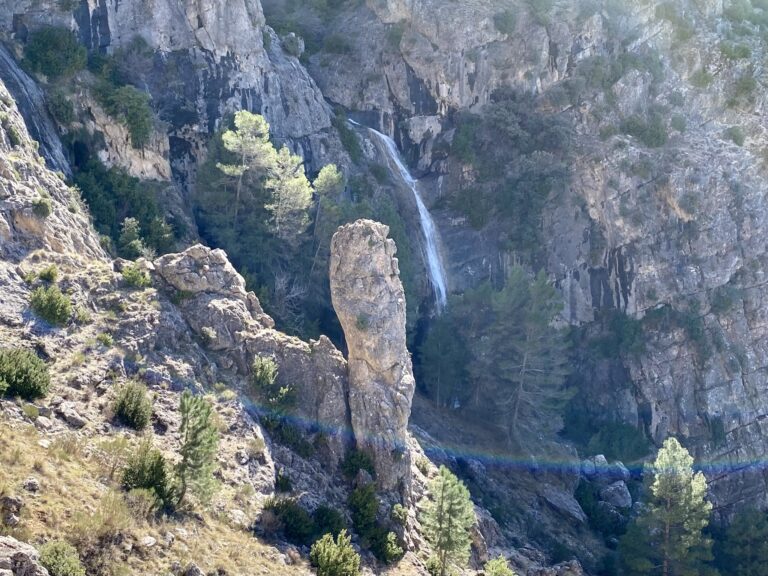 Vía Ferrata de La EscaleruelaVia ferrata beside the Escaleruela waterfall above Cazorla: 800 m of cable and 271 m of ascent at grade K3, with optional…Discover →
 Oleotour Cazorla (Aceites Cazorla)Visitor centre of the Aceites Cazorla cooperative, founded in 1951, 3 km from Cazorla: one of the largest olive mills in the…Discover →