
Úbeda
A UNESCO-listed Renaissance town on the olive-covered ridge of La Loma, with golden stone squares, palaces and potters' workshops.
Why visit Úbeda
Úbeda and its twin town Baeza hold some of the finest Renaissance architecture in Spain, which earned them joint UNESCO World Heritage status in 2003. In the sixteenth century wealthy courtiers commissioned palaces and chapels from the architect Andrés de Vandelvira, and because the town later fell into quiet decline, much of that golden-stone ensemble survives untouched. Around it, olive groves cover the ridge of La Loma as far as you can see. Úbeda suits lovers of architecture and history, food travellers chasing olive oil and anyone wanting an elegant, peaceful base in inland Andalucía.
What to see and do in Úbeda
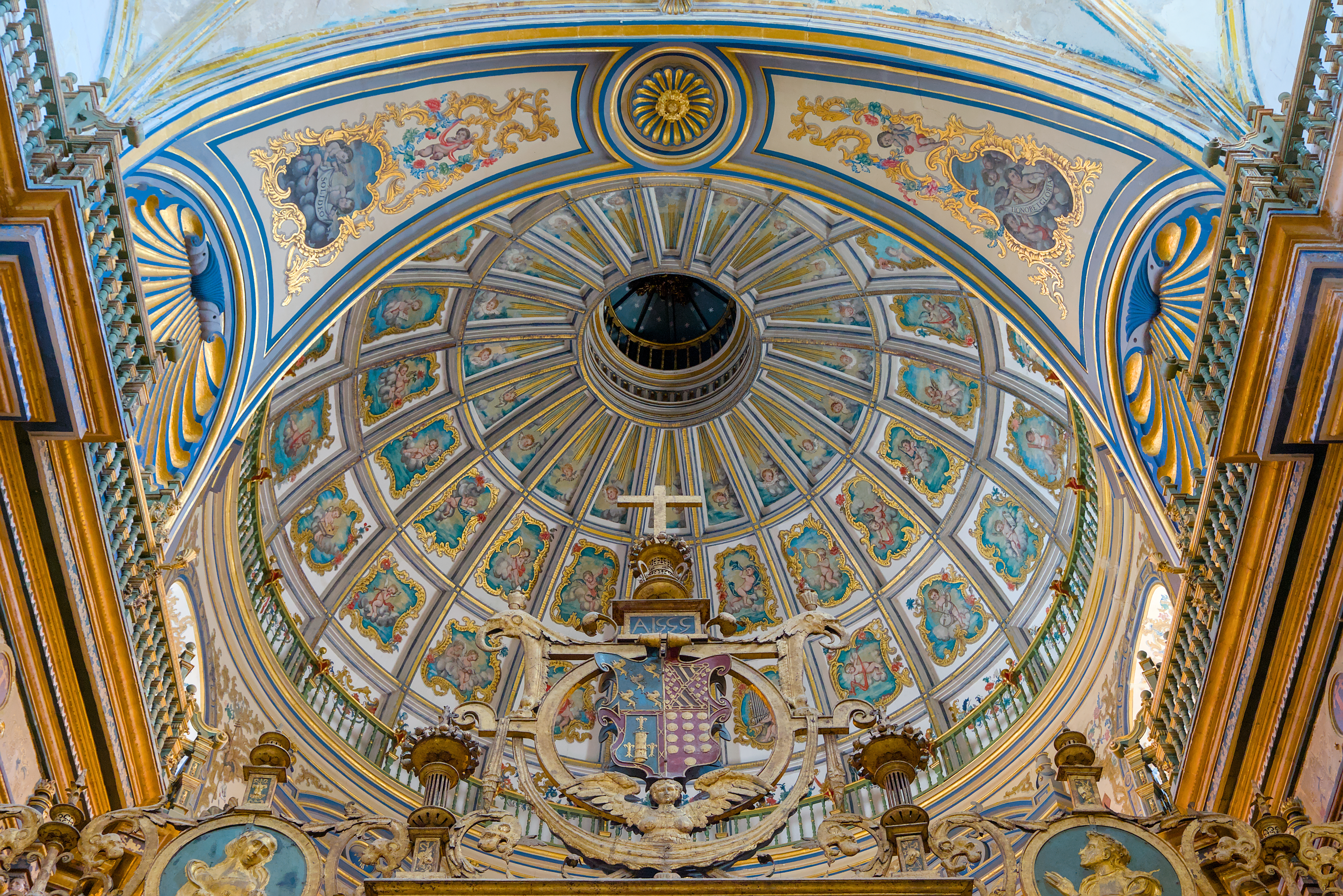
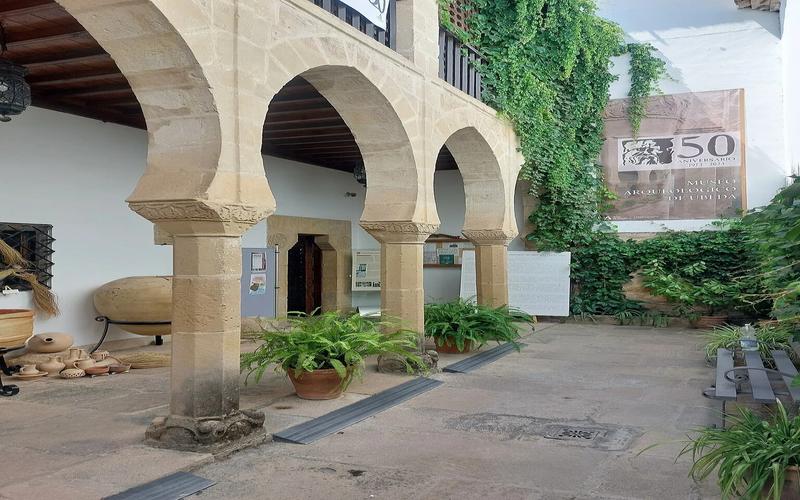
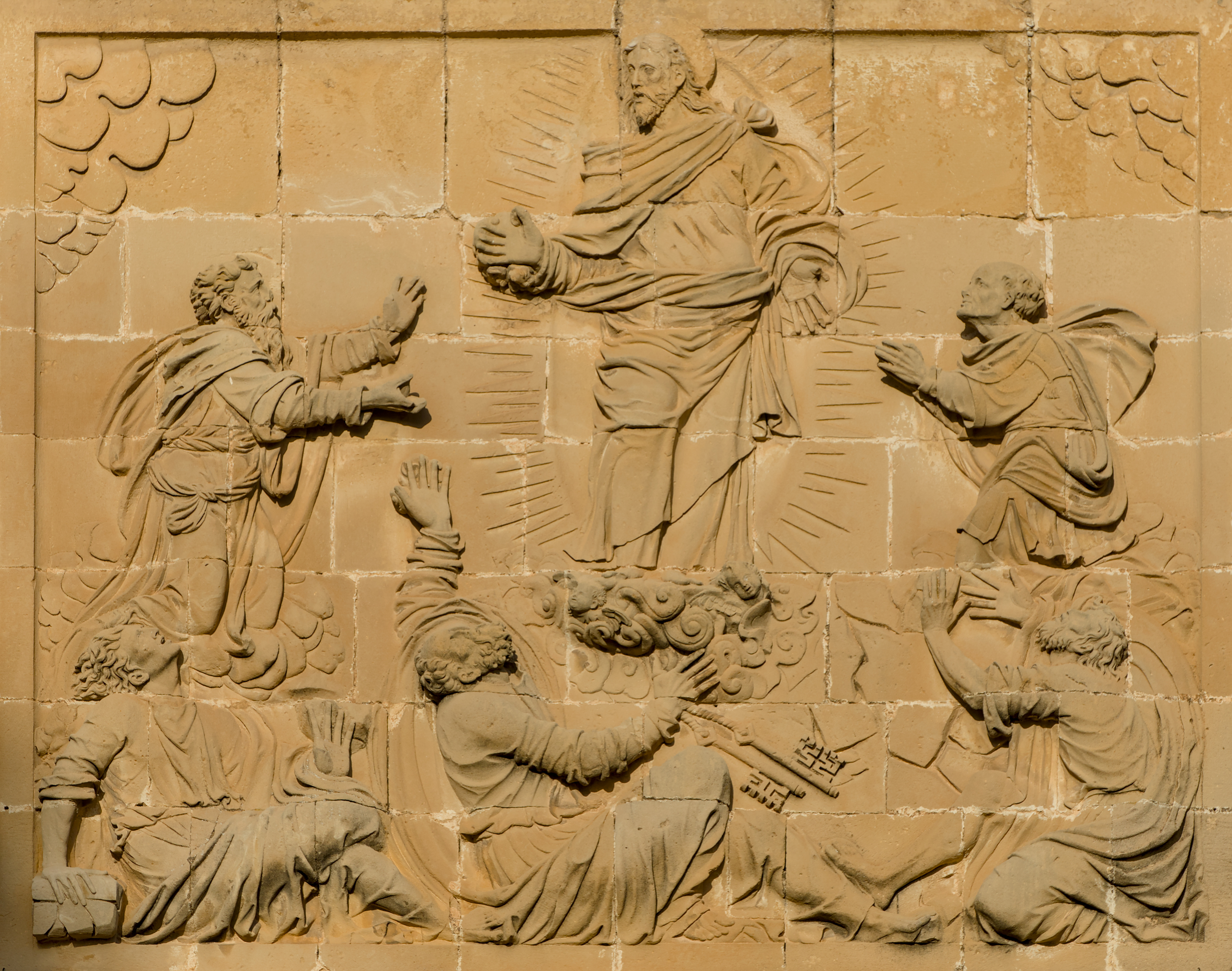
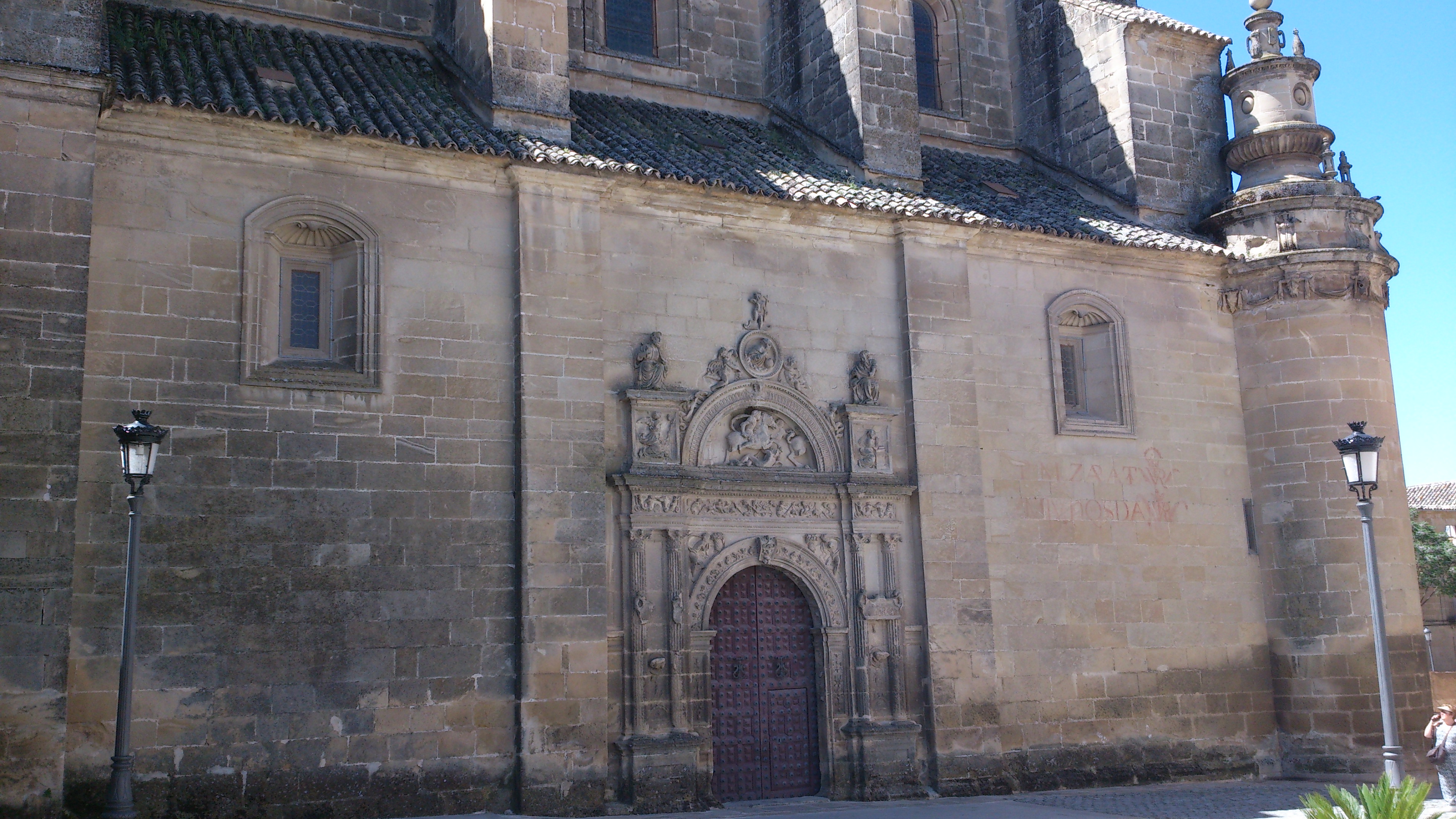
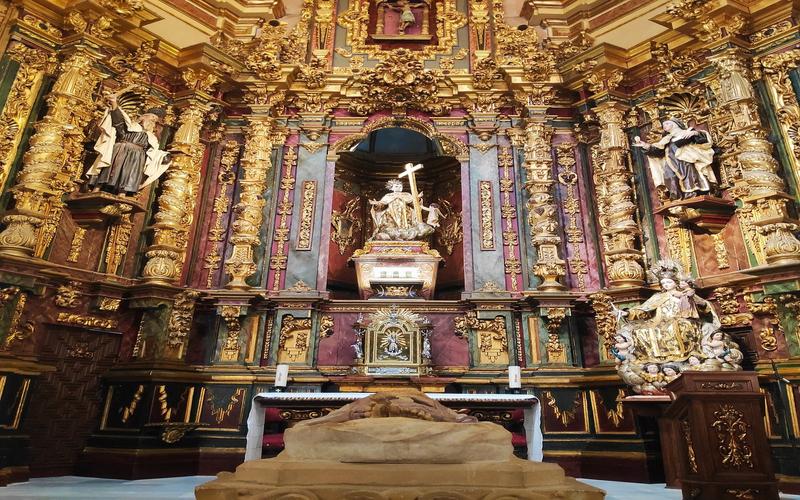
Plaza Vázquez de Molina is the heart of the monumental town: on one side stands the Sacra Capilla del Salvador, a funerary chapel with a richly carved façade and sacristy, and around it the Palacio de las Cadenas, now the town hall, the church of Santa María and the Parador housed in a Renaissance palace. Vandelvira's later Hospital de Santiago shows a plainer style. The St John of the Cross Museum remembers the mystic poet who died here in 1591, and the Archaeological Museum occupies a Mudéjar house in the old town. In the potters' quarter of San Millán, workshops still make Úbeda's distinctive green-glazed ceramics. The walls give views over the Guadalquivir valley towards the Sierra Mágina and Cazorla, and Baeza, with its cathedral, Jabalquinto Palace and old university, is just 10 km away.
A day in Úbeda
Begin in Plaza Vázquez de Molina with the Sacra Capilla del Salvador, then wander past the Palacio de las Cadenas and Santa María. After lunch, visit the Hospital de Santiago and the potters' workshops of San Millán. Walk the town walls at sunset for views towards the Sierra Mágina, and dine on local dishes with plenty of olive oil.
Food and local life
Olive oil is everywhere: visit a mill or estate for a tasting, ideally during the November-to-January harvest. Local dishes include andrajos, a stew of pasta squares, and ochíos, bread rolls with paprika and oil, and tapas are generous in the bars around Plaza de Andalucía. Holy Week processions are among the most atmospheric in the province.
Around Úbeda
Úbeda shares the La Loma comarca with Baeza, 10 km away, whose cathedral, Jabalquinto Palace and old university make an essential second stop. Smaller villages such as Sabiote and Canena keep castles of their own. To the east lies the Sierra de Cazorla, Spain's largest natural park, and to the south the peaks of the Sierra Mágina.
See every town and village on the La Loma page.
Getting there and around
Úbeda is in the La Loma comarca, about 1 hour from Jaén by bus or car and 1 hour 40 minutes from Granada. The nearest train station, Linares-Baeza, is about 30 minutes away. The monumental centre is compact and walkable. Spring and autumn are the most comfortable seasons; guided tours of Andalucía stop here to see the monuments and visit an olive estate.
Úbeda in pictures
Places to visit in Úbeda
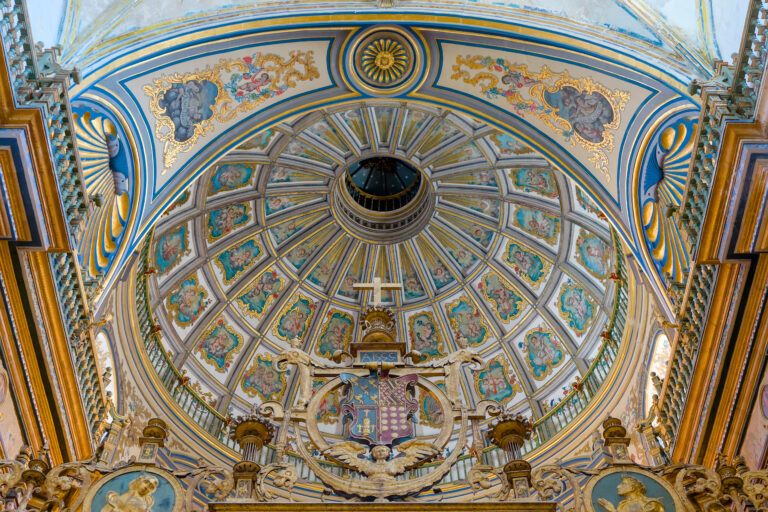 Sacra Capilla del SalvadorThe Sacra Capilla del Salvador in Úbeda is a Renaissance funerary chapel built in 1536–1559 for Francisco de los Cobos, secretary to…Discover →
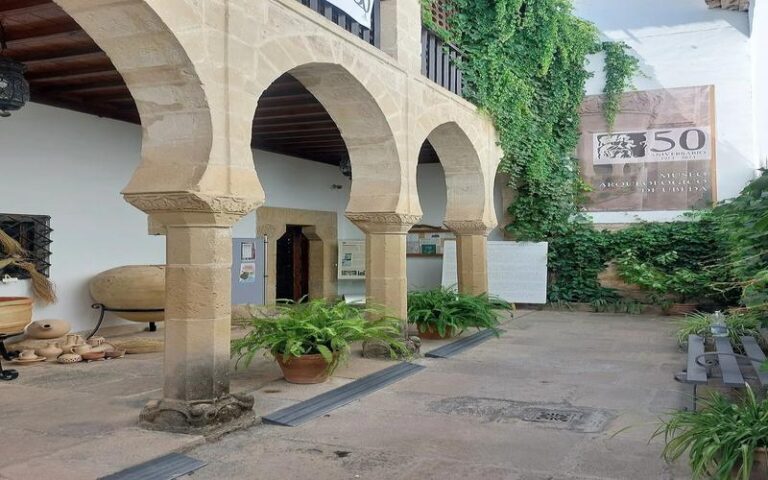 Archaeological Museum of ÚbedaÚbeda's archaeological museum fills the Casa Mudéjar, a 14th–15th-century courtyard house behind San Pablo church, with Palaeolithic tools and Iberian, Roman and…Discover →
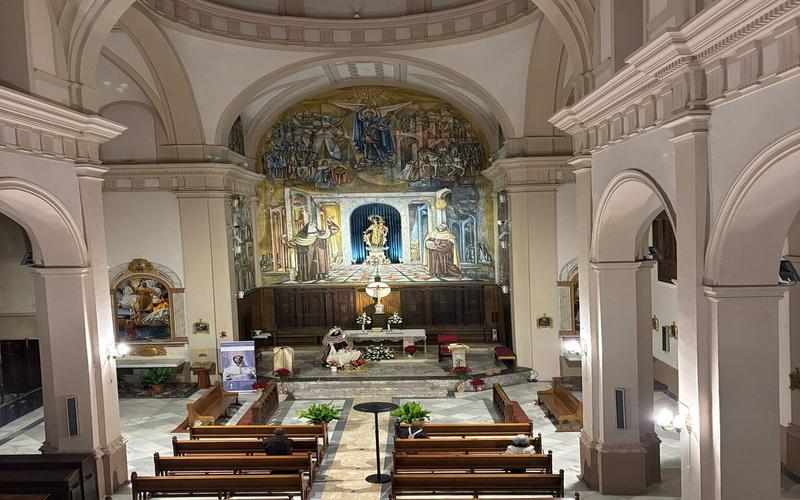
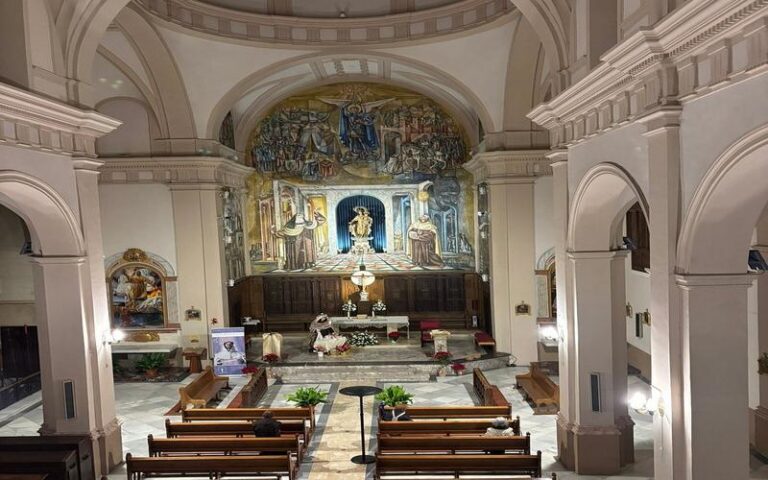 St John of the Cross MuseumThe Museo San Juan de la Cruz in Úbeda occupies part of the Carmelite convent where St John of the Cross died…Discover →
